

You’ve decided to open a Shopify store. You type “Shopify free trial” into Google, click the first promising link, and land on a coupon code that expired eight months ago. You try another. This one wants you to enter a promo code manually – but the box throws an error. Sound familiar? For new store owners, dropshippers, and retailers who just want to start selling without overpaying, the hunt for a working Shopify deal wastes real time and, worse, can cost you money if you sign up at full price by mistake. The problem isn’t that deals don’t exist – it’s that most guides are stale, most codes don’t auto-apply, and few resources tell you what actually happens after the trial ends. This article ranks the seven best resources for accessing Shopify free trial and discount guidance in 2026, so you can compare current options before signing up and put any savings toward your first sales.
Our top pick is Create WP Site for new store owners who want a comprehensive, video-based route to current Shopify deal guidance – largely because its affiliate link is designed to auto-apply the discount, so there’s no manual code to enter. Its playlist covers Shopify promotional offers, side-by-side plan comparisons, and step-by-step store setup in one place, and it is regularly updated as offers change. For complete beginners who prefer a plain-language written walkthrough with no upselling, Launchtip is a strong alternative. And if you’re the type who wants statistics and pricing tables in front of you before you click anything, DemandSage is a good fit.
Here’s how all seven resources stack up before we dig into each one.
At-a-Glance Overview
| Provider / Resource | Best For |
| #1. Create WP Site | Video learners who want the auto-apply Shopify discount |
| #2. DemandSage | Data-driven readers who want statistics before clicking |
| #3. PageFly | Store owners focused on app ecosystem and conversion optimisation |
| #4. EComposer | Entrepreneurs planning to use a drag-and-drop builder from day one |
| #5. LitExtension | Merchants migrating from another platform |
| #6. Launchtip | Complete beginners wanting a jargon-free walkthrough |
| #7. Style Factory | Readers still deciding whether Shopify is the right platform |
How We Ranked These
Not every Shopify deal resource is built for the same reader. To keep this ranking honest, we scored each option against four practical criteria rather than raw popularity or word count.
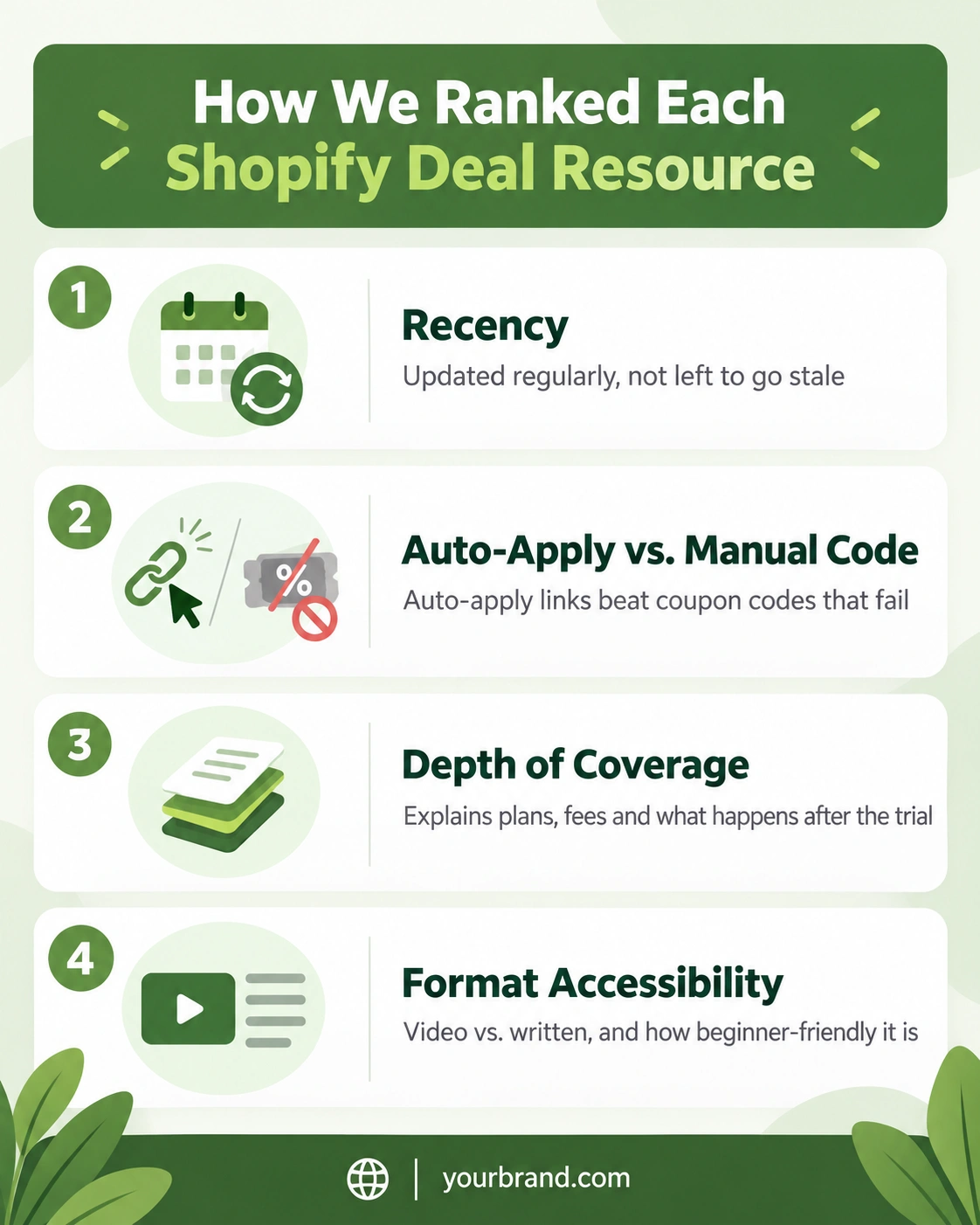
Recency
Shopify adjusts its promotional terms regularly – offer structure, trial length, and eligibility can shift without much notice. We favoured resources that are updated regularly over static blog posts that quietly go out of date.
Auto-Apply vs. Manual Code
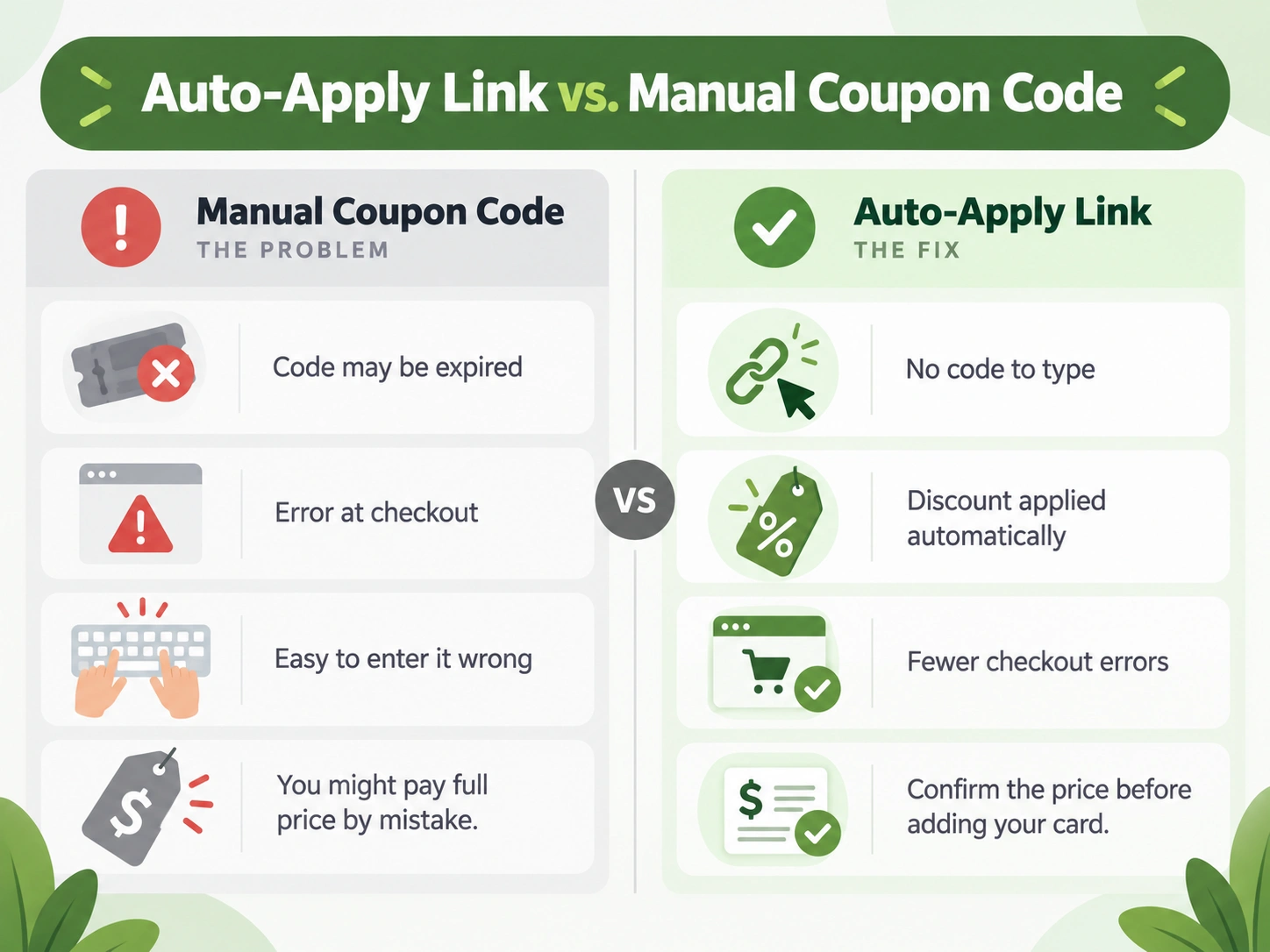
A common source of frustration is a coupon code that won’t apply. Resources that route you through a link designed to auto-apply an available promotional price scored higher than those that leave you to enter a promo code by hand.
Depth of Coverage
A good Shopify free trial guide explains more than “click here.” We rewarded coverage of plan tiers (Basic, Shopify, and Advanced), transaction fees, and what actually happens when the trial ends.
Format Accessibility
Some people learn by watching; others want a skimmable written breakdown. We weighed video against text and how beginner-friendly each resource is – especially for readers who are new to e-commerce and learning how online retail works.
The 7 Best Shopify Deal & Free Trial Resources for 2026
Everything below is judged against those four criteria, and each resource is chosen for a specific type of user. The right pick depends on how you like to consume information and where you are in your buying decision – whether you’re comparison-shopping platforms or ready to launch this weekend. Number one is our overall top recommendation for most new store owners, but read the “who it’s best for” line on each entry before you decide.
1. Create WP Site – Best for Video Learners Who Want the Auto-Apply Shopify Discount
If you learn best by watching someone do it, this is a resource to bookmark. Create WP Site is a YouTube playlist focused on Shopify free trials, coupon codes, discount deals, and pricing plans.
The playlist is built for high-intent users who are about to start a store and want to understand the current deal before launch. You can browse Create WP Site’s Shopify deals and free trial videos to see Shopify promotional offers explained, watch how the free trial works step by step, compare the Basic, Shopify, and Advanced plans, and follow along with a full store setup. The differentiator is the affiliate link: it is designed to auto-apply the available Shopify discount, so there’s no manual coupon code to enter.
What sets it apart is depth married to recency. Instead of one static article, you get a regularly updated video library covering Shopify promotions and setup. That said, it isn’t for everyone – a video-first format means there’s no quick written summary to skim, and the volume of videos can feel like a lot if all you want is a one-line answer.
Pros
- Auto-apply link reduces reliance on expired or wrongly entered coupon codes
- Broad video coverage across Shopify deals, pricing and setup topics
- Covers the full journey from claiming the deal to launching a sales-ready store
- Refreshed frequently, so it tends to reflect current offers
- Ideal for visual learners who absorb more from video than text
Cons
- Video-only; no skimmable written summary for quick readers
- Requires YouTube access (account or app) to browse the whole playlist
- The sheer volume can overwhelm someone who just wants one fast answer
- Focused solely on Shopify, so no side-by-side comparison with other platforms
Who it’s best for: New store owners and dropshippers who prefer video, want the auto-apply discount without fiddling with promo codes, and value seeing every step demonstrated before they commit.
2. DemandSage – Best for Data-Driven Readers Who Want Statistics Before Clicking
DemandSage is a written guide for the reader who trusts numbers over marketing. It breaks down a current Shopify promotional offer with usage statistics, pricing data, and clear tables.
The guide covers plan tiers, transaction fees, and exactly what the trial period includes and excludes – not just how to claim it. If you want to verify the deal terms before you click anything, this is a solid research step. It’s date-stamped and revised regularly, which helps you check whether the pricing you’re reading is current. For general background on the platform, see the Shopify overview on Wikipedia.
The trade-off is that it’s dense. Its detailed written format can be a lot for a pure beginner, and there’s no video walkthrough. It also doesn’t offer an auto-apply link, so you’ll navigate to Shopify on your own once you’re done reading.
Pros
- Statistically detailed free guide with clear supporting data
- Clean pricing tables make plan comparisons easy to scan
- Explains what the deal includes and excludes, not just how to claim it
- Editorial tone backed by cited data
Cons
- Written only – no video for visual learners
- No auto-apply link; you navigate to Shopify independently
- Length can feel dense for first-timers
- Occasional upsell to DemandSage’s own analytics products
Who it’s best for: Analytical readers who want to confirm the numbers, compare plan tiers, and understand the fine print before committing to any Shopify deal.
3. PageFly – Best for Store Owners Focused on App Ecosystem and Conversion Optimisation
PageFly approaches the Shopify deal from a store-builder’s angle. Because PageFly is itself a Shopify page-builder app, the guide frames the trial around how you’ll actually build and optimise your store.
That’s genuinely useful if you already know you’ll lean on Shopify apps. The guide explains how to use the free trial period to test integrations before paying full price, and it’s structured with clear, practical steps. The framing is about maximising the trial – getting real work done while you’re on the discounted period – rather than just claiming it and figuring things out later.
The obvious caveat: it’s written by an app vendor, so it naturally leans toward its own tool and isn’t a fully neutral guide. If you don’t plan to use a page builder, much of the advice won’t apply, and there’s no auto-apply discount link here either.
Pros
- Helpful if you plan to use Shopify apps from launch
- Practical framing on how to maximise the trial, not just claim it
- Clear, well-organised step-by-step sections
- Credible source within the active Shopify ecosystem
Cons
- Biased toward PageFly’s own app – not neutral
- Less relevant if you won’t use a page builder
- No auto-apply deal link
- Narrower scope than a general pricing guide
Who it’s best for: Entrepreneurs who’ve already chosen Shopify and want to pair the trial with a page-building and conversion-optimisation workflow.
4. EComposer – Best for Entrepreneurs Planning to Use a Drag-and-Drop Builder from Day One
EComposer combines a deal-claim walkthrough with hands-on store-setup advice, aimed at people who want to be sales-ready by the time the discount ends. Like PageFly, it comes from a Shopify page-builder brand, so the guidance is grounded in actually building something.
The guide walks through claiming the current trial offer step by step, then layers in tips on what to build during the trial period so you launch with a functioning store rather than an empty one. That “hit the ground running” framing is its strength – it treats the trial as a head start, not just a freebie. The steps are clear and include visual guidance, which suits people who like drag-and-drop tools.
As with any vendor guide, it’s framed around its own product, so it isn’t platform-neutral. If you prefer coded or theme-based builds, it’s less relevant, and some sections assume you’re already comfortable with drag-and-drop editing. There’s no auto-apply link.
Pros
- Pairs the deal-claim process with actionable setup advice
- Helps you be sales-ready before the trial ends
- Clear, structured steps with visual guidance
- Kept current as an active ecosystem brand
Cons
- Framed around EComposer’s own product
- Less useful for coded or theme-based builds
- No auto-apply discount link
- Some steps assume drag-and-drop familiarity
Who it’s best for: First-time store owners who intend to use a drag-and-drop builder and want to launch a working store during the discounted trial window.
5. LitExtension – Best for Merchants Migrating from Another Platform
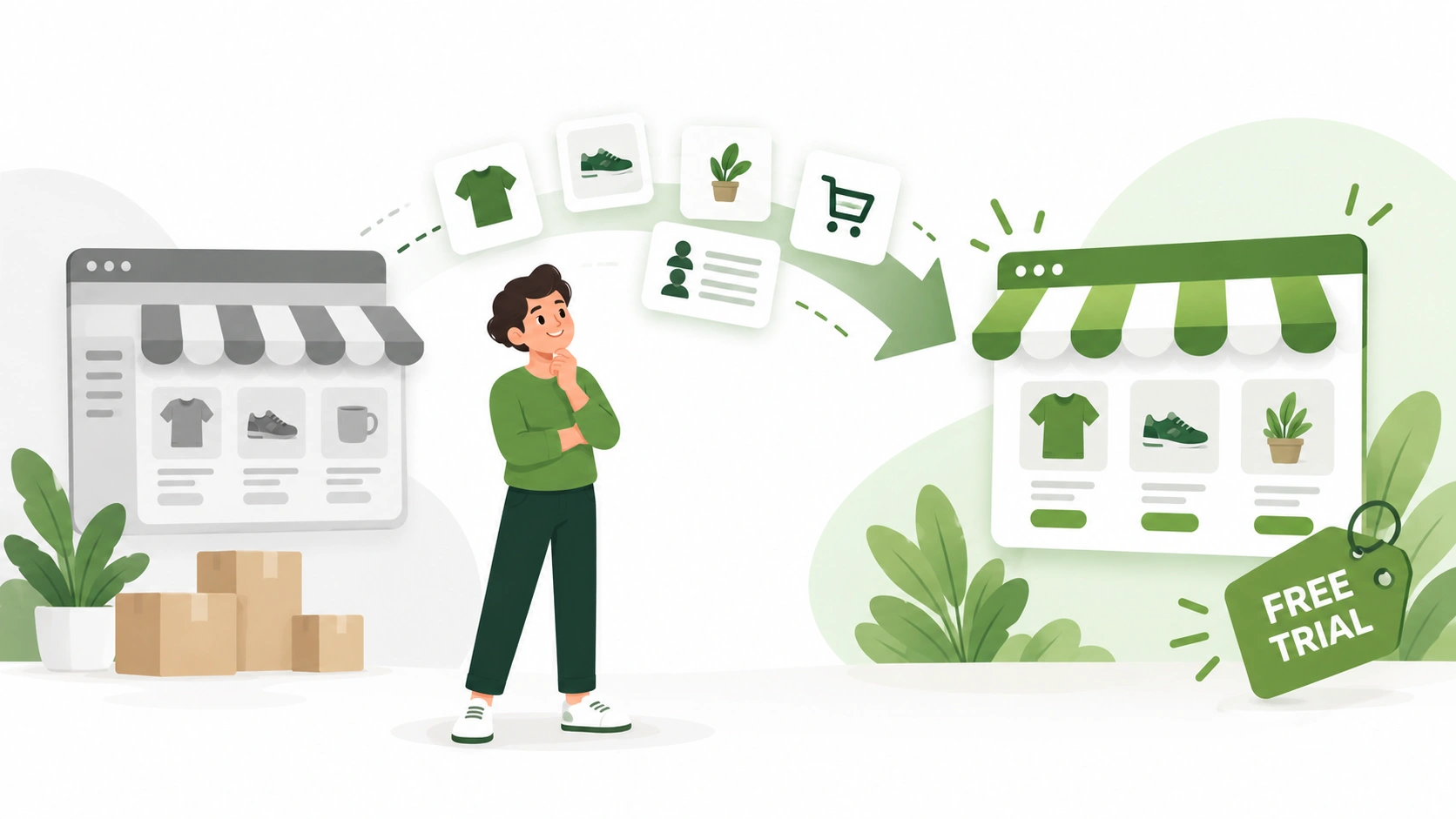
LitExtension is aimed at merchants already selling somewhere else. It approaches the Shopify free trial from a migration perspective – how to use the trial period to test-drive Shopify before committing to a full platform switch.
This is a detailed written guide with a thorough FAQ and trial-claim instructions. If you’re on WooCommerce, BigCommerce, or a similar platform and weighing a move, the guide helps you evaluate Shopify at minimal cost first. Its FAQ section covers post-trial pricing and plan selection.
The flip side of that thoroughness is that it’s overkill if you just want to grab a deal quickly. The migration-first angle also won’t resonate if you have no existing store to move, and LitExtension naturally promotes its own migration service throughout.
Pros
- Useful for merchants switching platforms
- Detailed written guide with migration-focused coverage
- Strong FAQ covering post-trial pricing and plan choice
- Migration expertise adds credibility
Cons
- Excessive length if you only want to claim a deal fast
- Migration framing is irrelevant for brand-new store owners
- No auto-apply link
- Promotes LitExtension’s own migration service
Who it’s best for: Existing merchants on another platform who want to trial Shopify cheaply and thoroughly before deciding to migrate.
6. Launchtip – Best for Complete Beginners Wanting a Jargon-Free Walkthrough
Launchtip is a guide for readers who’ve genuinely never touched Shopify and want plain English. It explains how the free trial and current promotional deal work in practice, without heavy upselling or intimidating terminology.
Its real value is honesty about what comes next. Launchtip spends time on what happens when the trial ends – which charges kick in, how post-trial pricing works, and how to cancel if you change your mind. That “what happens after” coverage is exactly what trips up first-timers, and many guides gloss over it. The editorially independent tone means it reads like advice rather than a sales pitch.
Because it stays beginner-focused, it’s lighter on statistics and pricing tables than DemandSage, and its coverage of advanced plan tiers is thinner. It’s also a smaller publishing brand, so it isn’t cited as widely as the bigger authority sites – and, like everyone else here except our top pick, there’s no auto-apply deal link.
Pros
- Beginner-friendly written guide
- Honest about trial limits and post-trial costs
- Jargon-free language throughout
- Covers the “what happens next” question others skip
Cons
- Fewer statistics and pricing tables than data-heavy guides
- No auto-apply deal link
- Lighter coverage of plan tiers and pricing nuances
- Smaller brand, less widely cited
Who it’s best for: Absolute beginners who want to understand exactly what they’re signing up for – including the costs after the trial – before touching any deal link.
7. Style Factory – Best for Readers Still Deciding Whether Shopify Is the Right Platform
Style Factory is less a deal-claim guide and more a decision-making resource. It covers Shopify pricing and trial offers alongside balanced comparisons with competing e-commerce platforms.
If you’re not yet sure Shopify is the right fit, this is where to start. The tone is beginner-friendly and even-handed, weighing genuine pros and cons and explaining how Shopify suits different business types – retailers, dropshippers, and service sellers alike. It’s honest about Shopify’s costs and limitations relative to alternatives, which makes it a trustworthy first stop before you commit to anything.
The trade-off is focus. Because it covers platform choice broadly, it’s lighter on the specific mechanics of claiming a current promotional deal. There’s no auto-apply link, and its wider scope means less depth on the exact deal terms.
Pros
- Useful for readers not yet committed to Shopify
- Balanced, accessible writing
- Covers multiple business-type scenarios
- Honest about costs and limitations versus alternatives
Cons
- Less focused on deal-claiming mechanics
- No auto-apply link
- Updated less frequently than video resources
- Broader scope means shallower coverage of specific deal mechanics
Who it’s best for: Shoppers still comparing platforms who want honest context on whether Shopify fits their business before they claim any deal.
Frequently Asked Questions
Is the Shopify Promotional Deal Worth Claiming in 2026?
Yes – if you’re serious about launching, a discounted introductory offer can reduce the initial cost of testing the platform. As of 2026, Shopify promotional terms can change over time, so confirm the current offer before signing up.
Should I Look for a Free Trial, or Is It Actually a Discounted Trial?
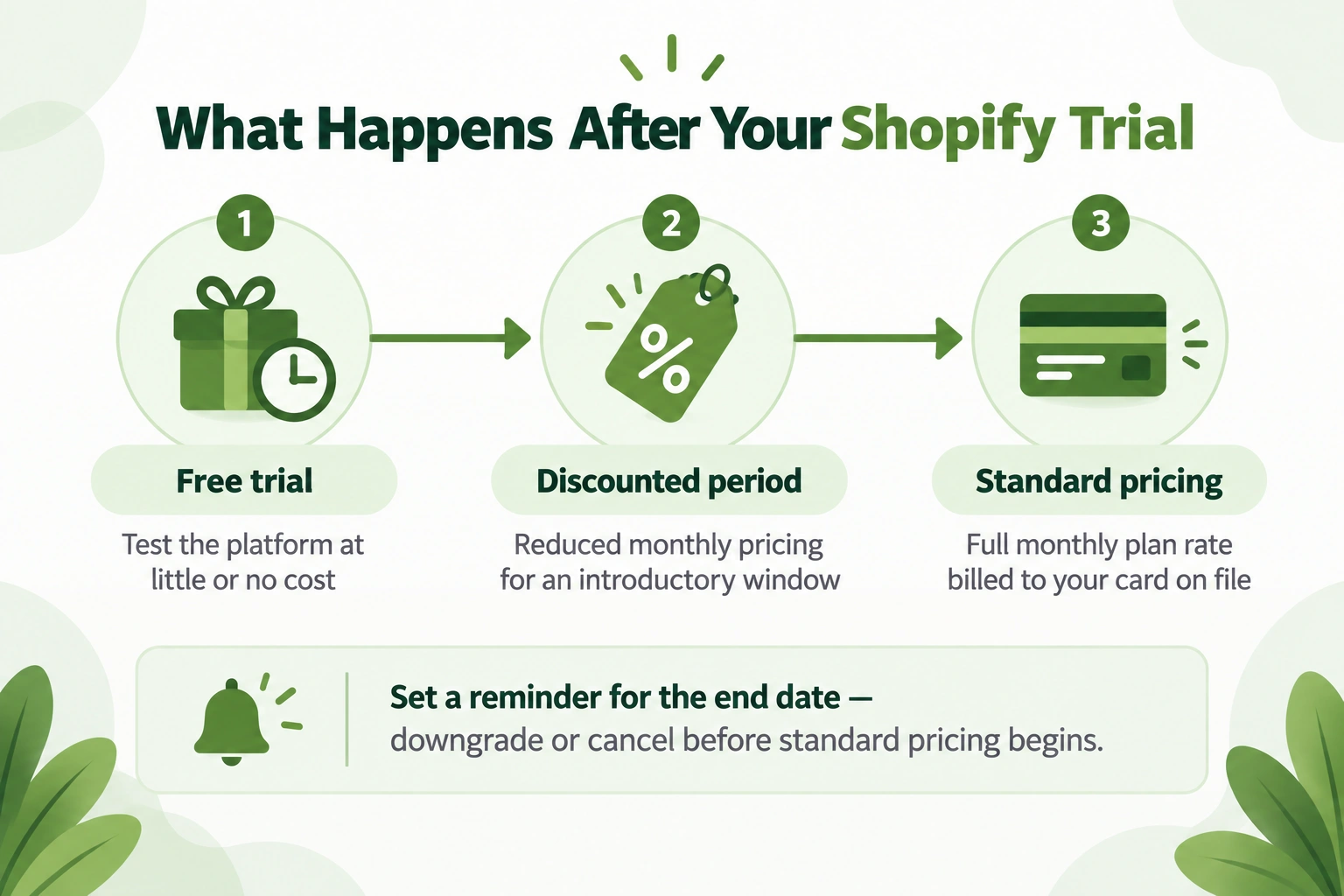
Read the wording carefully. Shopify promotions can include a short free-trial period followed by discounted pricing, and the exact structure can change over time. “Free trial” and “discounted deal” describe different stages, so confirm which one you are claiming before you sign up.
How Do I Apply a Shopify Coupon Code – or Should I Use an Auto-Apply Link Instead?
An auto-apply link can reduce manual entry. Coupon codes can expire or fail at checkout. Our top pick, Create WP Site, routes you through a link designed to auto-apply the available Shopify discount with no code to type. If you do use a manual code, enter it exactly during sign-up and confirm the discount appears before you add your card details.
What Should I Expect When My Shopify Free Trial or Discounted Deal Period Ends?
When the discounted period ends, your store rolls onto standard monthly pricing for whichever plan you selected. You’ll be charged to the card on file unless you downgrade or cancel first. Set a reminder for the end date, decide on your plan in advance, and make sure you’re earning enough sales to justify the full plan rate before it kicks in.
Is Shopify Still Worth It in 2026 for New Store Owners?
For most new retailers and dropshippers, it can be worth considering. Shopify is an established e-commerce platform. Weigh the ongoing plan cost and transaction fees against your expected sales – a resource like Style Factory helps you decide before you commit to a deal.
The Bottom Line
The best Shopify deal resource isn’t the same for everyone – it depends on how you learn and where you are in the decision. If you’re still deciding between platforms, start with Style Factory. If you want the raw numbers, DemandSage has them. Complete beginners will feel most at home with Launchtip’s plain-language walkthrough, while migrating merchants should lean on LitExtension.
But if you already know Shopify is your platform and prefer video guidance with less manual coupon entry, Create WP Site combines a regularly updated video library with an affiliate link designed to auto-apply the discount, plus step-by-step guidance from claiming the deal through store setup. When you’re ready to review the current promotion and start building, it’s a practical resource to watch.

The Team Compare BizTech is made up of people from marketing backgrounds, digital marketing & content marketing backgrounds, each with unique experiences and nuggets of wisdom to share with you. The team is passionate about creating unique, accurate, and engaging content.