

National Techies Day is Saturday, October 3 this year. Not ideal. If you’d like to do anything at the office, Friday the 2nd or Monday the 5th will work fine.
Here’s what usually happens, though. Someone orders a cake, someone else posts a graphic on LinkedIn, and everyone gets a mug. Done. Meanwhile the engineer who got paged at 2 a.m. last week is still wrestling with a ticketing system that was old when Instagram launched. A mug doesn’t help with that.
So, this guide does three things. It explains what the day is, gives you seven ways to mark it that a tech team won’t roll their eyes at, and shows you how to use it as an excuse to fix the tools that quietly wear people down. There are also comparison tables for three software categories that come up in nearly every tech team’s complaint.
What Is National Techies Day and Why Should Your Workplace Celebrate It?
It falls on October 3 every year. It’s meant to say thanks to the people who keep technology running: developers, IT admins, network engineers, security staff, support teams, and that one person who always knows why the VPN is down.
The Shift from High School Tech Recruitment to Corporate Tech Empowerment
The day began in 1999, when CNET Networks and Techies.com set it up to get young people curious about tech careers. It was mostly aimed at students. The pitch was simple: IT can be a good job, so think about it.
Times changed. India now has one of the largest tech workforces anywhere, spread across Bengaluru, the NCR, Hyderabad, Pune, Mumbai and Chennai. Good engineers get offers all the time. A day that once recruited kids has turned into something more useful for employers, a yearly moment to ask whether you’re treating your tech people well.
Quick clarification. It isn’t a public holiday in India, and nobody expects you to shut the office. That works in your favour. Because so few companies do anything real on this day, even a small, thoughtful effort gets noticed.
The Best Gift Is Better Tools
Think about what actually burns out developers and IT staff. It’s almost never the hard problems. Most of them enjoy those. It’s the build pipeline that takes 40 minutes to test a one-line change. It’s five monitoring dashboards that each show slightly different numbers. It’s a helpdesk where a password reset needs three approvals and a chaser email.
That’s friction, and it adds up fast. If clunky tools cost your team one hour a day, that’s about 12 percent of the working week. On a team of ten, you’ve lost more than one full person’s output while still paying all ten salaries.
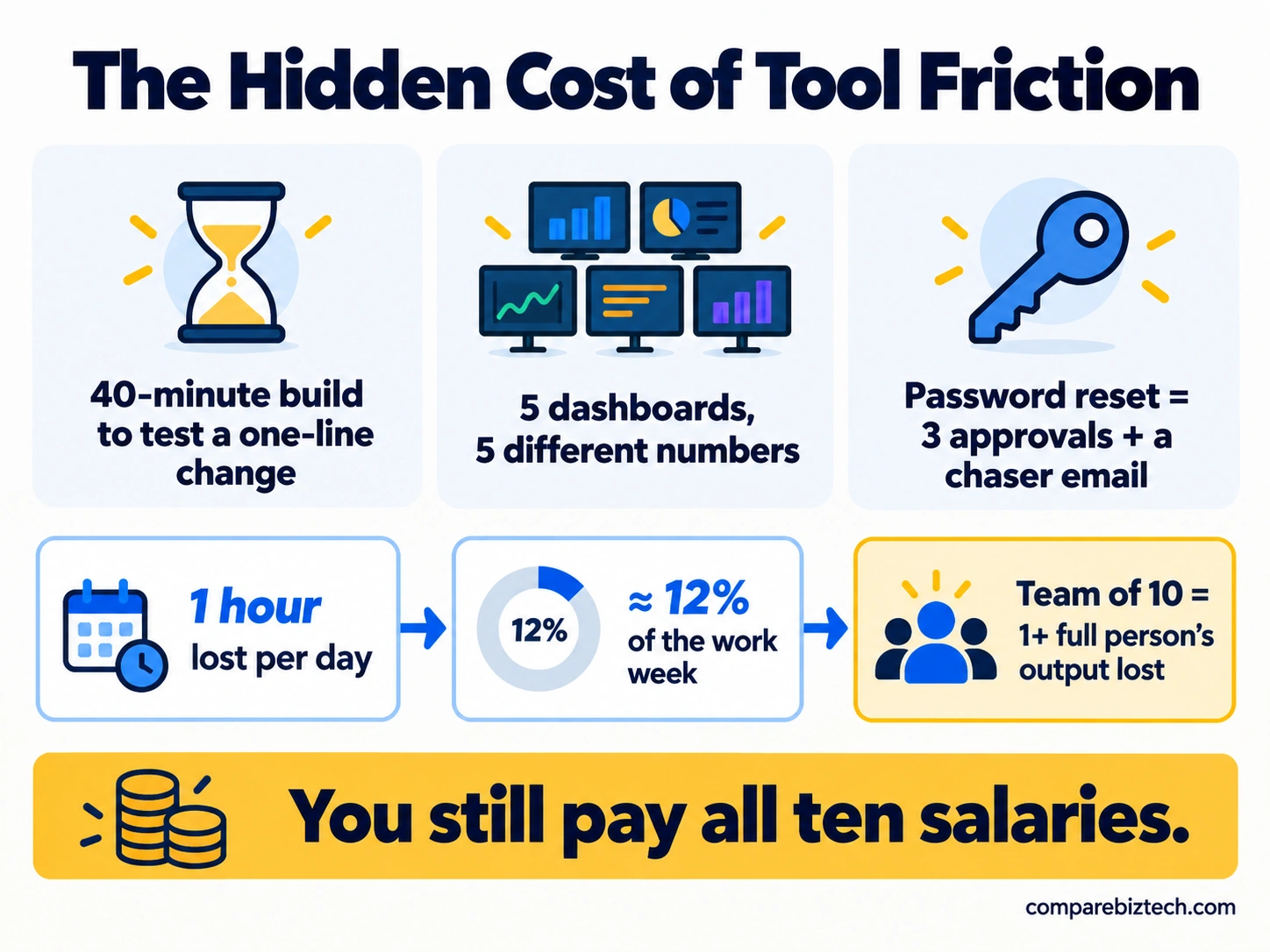
So, use this day to ask something blunt. What’s in our stack that everyone grumbles about and nobody has the budget to fix? Then go fix it, or at least start.
7 High-Impact Ways to Celebrate National Techies Day at Work
Here’s a quick view of cost and effort so you can pick what fits.
| Idea | Rough Cost | Effort to Organise | Best For |
| Hackathon or innovation day | Low | Medium | Teams of 10 or more with ideas stuck in a backlog |
| Replace a legacy tool | Medium to high | High | Teams with one clear, painful bottleneck |
| Developer friction audit | Free | Low | Every team, so start here |
| Knowledge exchange and demos | Free | Low | Teams that never get time to share what they learn |
| Certification sponsorship | Medium | Low | Companies that care about retention |
| Techie-centric perks | Low to medium | Low | Office and remote teams alike |
| Public recognition | Free | Low | Teams whose work usually goes unseen |
1. Host an Internal Innovation and Hackathon Day
Give your engineers and IT staff a full day to build something that fixes a company annoyance. No sprint goals. No tickets. No status updates.

What comes out of it? Usually a handful of small wins. Someone automates the weekly report that eats two hours of their Monday. Someone builds a Slack bot for the HR questions that get asked ten times a month. Someone finally tidies up the new-laptop checklist. These little tools often save more time than the big roadmap items do.
A few ground rules help. Let people pick their own groups. Ask for a quick demo at the end, even if the thing is half-baked. And commit up front that at least one idea gets real follow-up time. If nothing ever happens afterwards, people will see the whole thing as a gimmick, and they’ll be right.
2. Replace Legacy Tools with Modern B2B Software
This is the one people remember. If your team has moaned about the same tool for a year, announcing its replacement on October 3 lands better than any gift basket.
You don’t have to swap everything. Choose the single tool causing the most pain, shortlist two or three alternatives, and let the team trial them for a couple of weeks. The comparison tables further down cover three common categories.
One warning. Don’t choose the replacement for them. Few things sour goodwill faster than a “gift” tool picked by someone in another department because the demo looked shiny. The people who use it eight hours a day should have the final say.
3. Audit and Eliminate Developer Friction
This costs nothing and takes maybe 20 minutes to set up. Send a short anonymous survey with questions like these:
Which tool in our stack slows you down the most?
What do you do every week that should be automated?
What are we paying for that you’d happily drop?
If you could change one thing about your work week, what would it be?
Then share the results with everyone and commit to fixing the top two. That bit matters more than the survey itself. People notice when they’re asked and nothing happens, and it makes them less willing to answer next time.
4. Organise Tech Knowledge Exchange and Peer Demos
Tech teams learn constantly, but the knowledge tends to stay in one person’s head. Block out an afternoon for ten-minute lightning talks. Someone might cover the AI coding assistant they’ve been testing. The DevOps crew could explain how they cut deployment time. Someone else could walk through a recent security scare and what it taught them.
Keep it loose. Pizza helps, and slides shouldn’t be mandatory. Senior people get to share what they know, and juniors get to see how experienced engineers think through a problem.
5. Sponsor Professional Certifications and Upskilling
If you want to show you care about someone’s career, pay for a piece of it. Cover an AWS, Azure or Google Cloud certification, or a DevSecOps course. And give paid study time too. Paying the exam fee but expecting people to cram on weekends isn’t much of a present.
It pays you back, too. People who feel invested in tend to stay longer, and you build skills in-house instead of renting them from consultants.
6. Reward With Techie-Centric Perks
Skip the branded mug. Think about what a developer or sysadmin uses for most of the day. A decent mechanical keyboard. A dual-monitor mount. Noise-canceling headphones for a noisy open office or a noisy flat. A better chair, if the budget stretches.
For remote staff, a home-office stipend is easier than guessing. Let people buy what they actually need. A small, useful pick beats a pricey one nobody wanted.

7. Give Public Recognition and Social Media Spotlights
Good tech work is invisible. Nobody throws a party for the server that stayed up. So make it visible. Write a short newsletter piece on what the team prevented, fixed or shipped this year. Post on LinkedIn, with permission, and name people.
And be specific. “Thanks to our amazing tech team” is forgettable. “Priya’s database migration cut our checkout errors in half” is something she’ll screenshot and send to her mother.
Software Worth Looking At: Three Comparisons
If your friction survey points at tools, these are the three categories we hear about most. Prices below are approximate list prices. Vendors change them often, so check their sites before you set a budget.
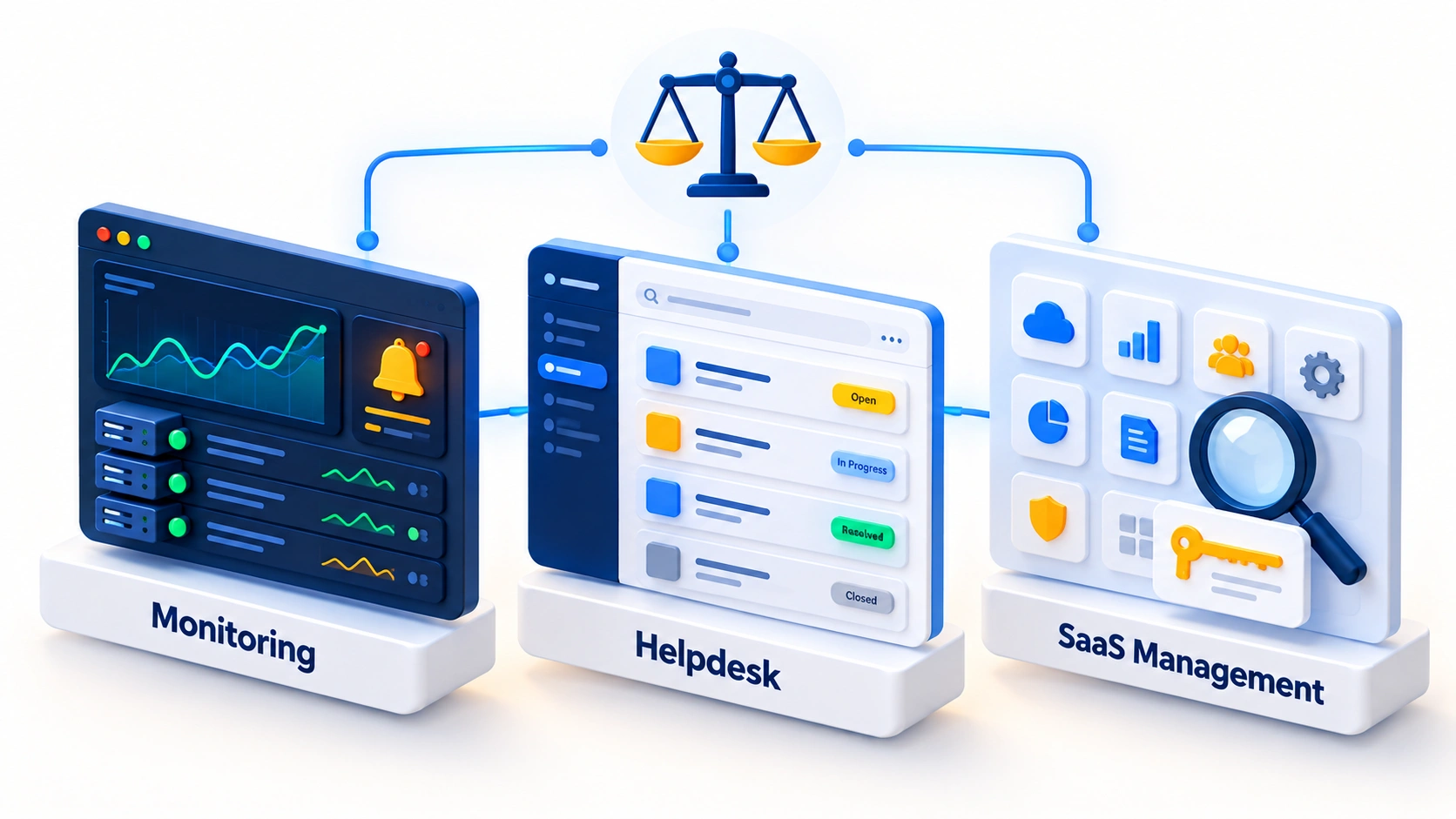
DevOps and Monitoring: Datadog vs. New Relic vs. Dynatrace
Monitoring tools tell you something’s broken and, ideally, why. A good one saves hours of guessing. A bad one buries you in alerts until everyone ignores them.
| Feature / Metric | Datadog | New Relic | Dynatrace |
| Starting Price | About $15 per host per month (annual billing) for infrastructure | Free tier with 100 GB of data a month and one full user | About $0.08 per hour per 8 GB host for full stack (~$58/month) |
| Best For | Teams that want everything in one place and can afford it | Startups and small teams that want to start free | Larger setups that want heavy automation |
| Strong Point | Huge range of integrations and polished dashboards | Simple pricing idea and a generous free tier | Its AI engine finds root causes on its own |
| Weak Point | Bills climb quickly as you add logs, tools and hosts | Extra full users get pricey as the team grows | Steeper learning curve, built with big companies in mind |
Our take: Small team? Try New Relic’s free tier first and see how far it takes you. If you’re growing fast and want one platform for everything, Datadog is hard to beat, just check the bill every month so it doesn’t surprise you. Dynatrace makes more sense once you run lots of services and want the system to explain problems rather than just report them.
IT Service Management: Jira Service Management vs. ServiceNow vs. Freshservice
This is your helpdesk and ticketing system. Laptop requests, password resets and outage reports all end up here.
| Metric | Jira Service Management | ServiceNow | Freshservice |
| Starting price | Free for up to 3 agents, paid plans from around $20 per agent per month | Quote only, usually the priciest of the three | From about $19 per agent per month (annual billing) |
| Best for | Teams already using Jira and Confluence | Large enterprises with complex processes | Small and mid-size businesses that want quick setup |
| Strong point | Ties tickets neatly to engineering work | Extremely powerful and customisable | Easy to learn, friendly for non-technical staff |
| Weak point | Setup can get fiddly as you scale | Costly, and often needs a partner to implement | Less depth for very complex workflows |
Our take: Most SMBs and startups should look at Freshservice first. You can be up and running in days, not months. If your developers already live in Jira, Jira Service Management keeps things simple. ServiceNow is excellent, but unless you’re a big organisation with a dedicated admin team, it’s probably more than you need.
SaaS Management: BetterCloud vs. Zylo vs. Torii
Every company ends up with dozens of apps nobody properly tracked. These tools find them, manage who has access, and stop you paying for licences nobody uses. All three price by quote.
| Metric | BetterCloud | Zylo | Torii |
| Main focus | Automating onboarding, offboarding and access | Tracking spend and licence usage | Finding apps and automating workflows |
| Best for | IT teams handling lots of joiners and leavers | Finance-led teams cutting software costs | Mid-size IT teams wanting discovery plus automation |
| Strong point | Powerful automation for Google Workspace, Microsoft 365 and Slack | Deep spending insight and renewal tracking | Quick app discovery and flexible workflows |
| Weak point | Lighter on spend analysis | Less focus on day-to-day automation | Newer name than the other two |
Our take: If your headache is people joining, leaving and access getting messy, start with BetterCloud. If your CFO keeps asking why software costs keep creeping up, Zylo fits better. Want a bit of both without an enterprise price tag? Book a Torii demo.
Common FAQs on National Techies Day
Q1. When is National Techies Day celebrated?
National Techies Day is celebrated every year on October 3. In 2026 it lands on a Saturday, so many offices mark it on Friday, October 2 or Monday, October 5.
Q2. Is National Techies Day different from National Technology Day in India?
Yes. National Techies Day (October 3) honours the people behind technology, such as engineers, IT admins and coders. National Technology Day in India (May 11) marks scientific milestones, including the 1998 Pokhran tests.
Q3. How can remote or distributed teams celebrate National Techies Day?
Run virtual lightning talks, offer a home-office gear stipend, or send learning credits for platforms like Coursera or Udemy. An online gaming session or a video hackathon also works well.
Q4. What is the most practical gift for a software team on National Techies Day?
Better tools. Beyond hardware, a fixed development environment, cleaner communication tools and automated helpdesk software save your team time every single day.
Q5. Is National Techies Day an official holiday in India?
No. It isn’t a public or government holiday. Companies choose whether to mark it, so you can keep it as light or as meaningful as you like.
Q6. What is a low-budget way to celebrate National Techies Day?
Run a friction survey, hold a peer demo session and give specific public recognition. All three cost almost nothing and show your team you’re listening.
Streamlining Your Workspace Stack with CompareBizTech
Compare, Evaluate and Select the Right Business Software
Appreciation is nice. Fixing what’s broken is better. If your friction survey turns up tool problems, don’t guess your way to a replacement. Compare options side by side, check real pricing, and find out where each product falls short before you sign anything.
That’s what we do at Compare BizTech. Start with our category pages:
- DevOps and Monitoring for tools like Datadog, New Relic and Dynatrace
- IT Operations for incident response and infrastructure management
- Helpdesk Software for ticketing and service desks
- SaaS Management for tracking apps, licences and access
- Cloud Infrastructure for hosting and cloud platforms
Free Download: The 2026 IT Tech Stack Health and Friction Audit Template
Not sure where your team’s biggest problems sit? Grab our free checklist, The 2026 IT Tech Stack Health and Friction Audit Template. It gives you the survey questions, helps you score each tool on cost, speed and frustration, and shows you which one to replace first.
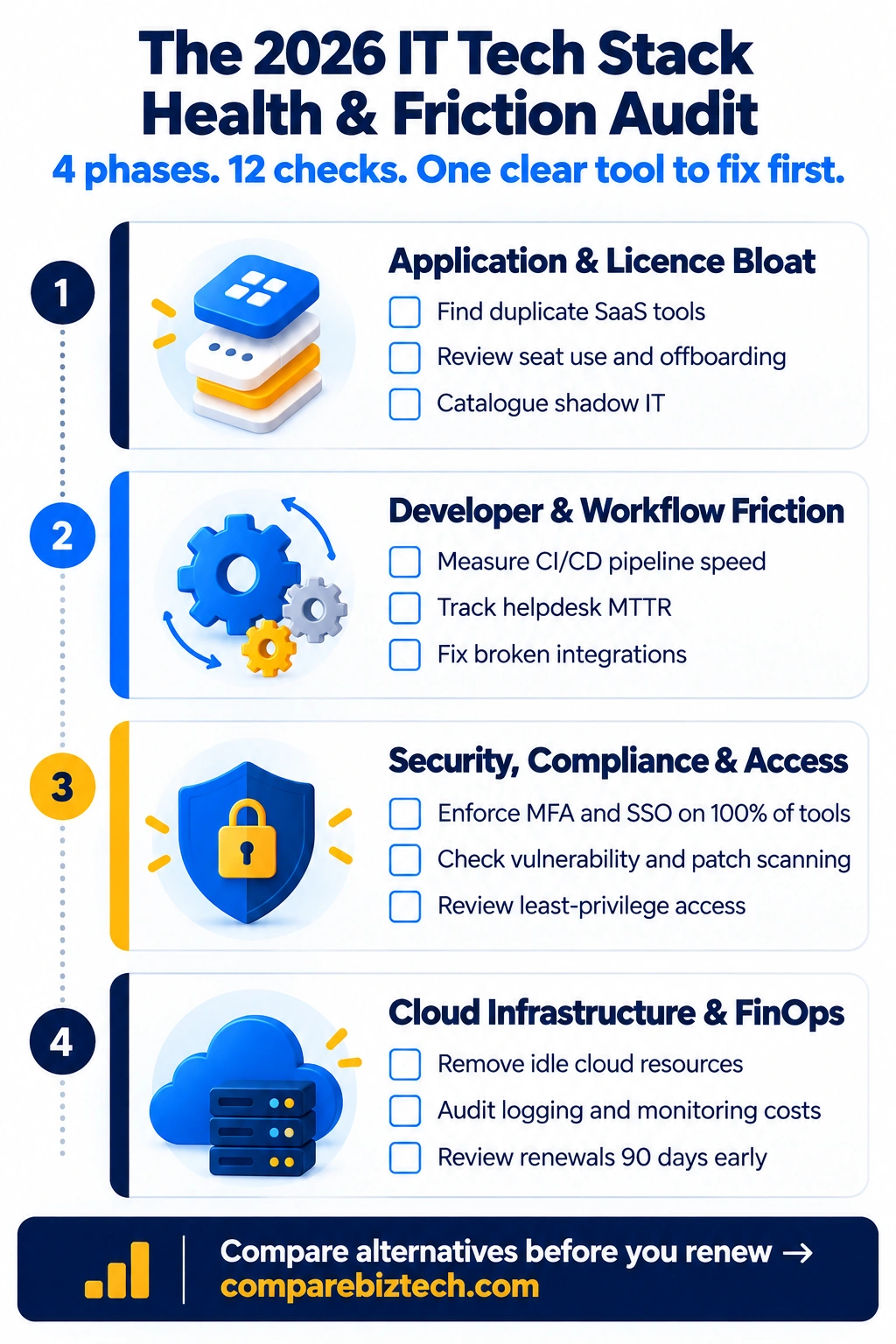
Start this week. By next October 3, your team might be thanking you for more than cake.
Add: Checklist
The 2026 IT Tech Stack Health & Friction Audit Template
Phase 1: Application & License Bloat Audit
[ ] Identify Duplicate SaaS Tools: Audit department-level spending to aggregate overlapping software (e.g., multiple project management or messaging apps).
[ ] Review Seat Utilization & Offboarding: Flag inactive accounts and verify 100% user offboarding for former employees across all SaaS accounts.
[ ] Catalog Shadow IT: Detect unapproved third-party software or browser extensions connected to corporate OAuth/SSO.
Phase 2: Developer & Workflow Friction Audit
[ ] Measure CI/CD Pipeline Performance: Audit average deployment times, queue delays, and pipeline failure frequencies slowing down engineering output.
[ ] Track Internal IT Helpdesk MTTR: Calculate Mean Time to Resolve (MTTR) for repetitive internal support tickets (e.g., password resets, access provisioning).
[ ] Evaluate API Integration & Interoperability: Identify manual data transfer steps or broken integrations between core operational tools.
Phase 3: Security, Compliance & Access Audit
[ ] Verify MFA & SSO Coverage: Ensure Single Sign-On (SSO) and Multi-Factor Authentication (MFA) are strictly enforced on 100% of enterprise tools.
[ ] Audit Vulnerability & Patch Management: Check whether automated security scanning is active across repositories, containers, and server instances.
[ ] Review Least-Privilege Access Controls: Conduct a quarterly privilege audit to revoke elevated admin rights that are no longer required.
Phase 4: Cloud Infrastructure & FinOps Audit
[ ] Eliminate Idle Cloud Resources: Identify unattached storage volumes, idle compute nodes, and unused staging environments.
[ ] Audit Observability & Logging Costs: Evaluate whether log ingest and monitoring fees (e.g., Datadog, New Relic) are scaling efficiently relative to infrastructure size.
[ ] Contract & SLA Renewal Check: Review upcoming software renewals 90 days in advance to evaluate competitors on CompareBizTech before lock-in.

Prashant Srivastava is a digital marketing leader and AI-powered growth strategist with nearly two decades of experience across SaaS, healthcare, real estate, D2C, and B2B. His expertise spans SEO, paid media, marketing automation, analytics, and Generative Engine Optimization, helping businesses achieve measurable, sustainable growth.